


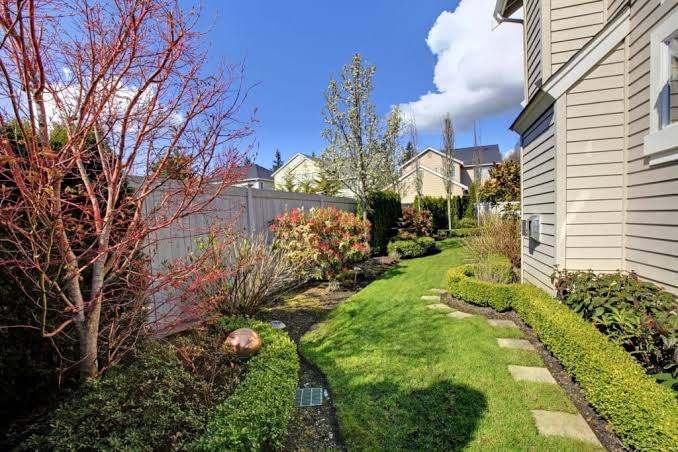
Trees can completely change the look and feel of a property. They add height and character to a landscape, create valuable shade, and help outdoor spaces feel more established. But choosing a tree shouldn't be based only on how it looks at the nursery.
A small tree can eventually become one of the largest features on your property. Its mature height, canopy, location, sunlight requirements, and relationship with nearby structures all need to be considered before planting.
At Prestige Landscape & Design, we provide professional tree planting and landscaping services throughout Dallas and the surrounding DFW area. If you're planning to add trees to your property, here are some important factors to consider.
1. Start With the Tree's Purpose
Before choosing a species, decide what you want the tree to accomplish.
Are you trying to create shade over part of the lawn? Add privacy? Improve curb appeal? Create a focal point? Add height to a planting design?
Different goals may require very different trees.
For example, a tree selected primarily for shade may need a broader mature canopy, while a tree intended to provide visual interest near a planting bed may be chosen for its shape, flowers, or foliage.
Starting with purpose makes the selection process much easier.
2. Consider the Mature Size
One of the most common landscaping mistakes is planning around the size of a young tree instead of its eventual growth.
A newly planted tree may fit comfortably near a house, fence, walkway, or patio. Years later, that same location could become crowded.
Before planting, consider the tree's expected mature:
- Height
- Canopy width
- Trunk size
- Overall growth habit
Allowing enough room from the beginning can reduce future conflicts and unnecessary pruning.
3. Evaluate Sunlight
Different trees have different sunlight requirements.
Some perform best in full sun, while others may tolerate or prefer more shade. The amount of sunlight a location receives can also change throughout the day and throughout the year.
Spend some time observing the proposed planting location before making your decision.
Professional landscape design considers these site conditions so trees and other plants are placed where they have appropriate growing conditions.
4. Think About Texas Heat
Dallas landscapes have to perform through periods of intense summer heat.
Choosing trees appropriate for local conditions can make long-term maintenance more manageable than selecting varieties poorly suited to the environment.
This doesn't mean every yard needs exactly the same trees. Soil, sunlight, irrigation, available space, and the overall design should all influence selection.
The goal is to choose a tree that fits both the landscape and its growing conditions.
5. Decide Where You Need Shade
Shade can significantly improve outdoor comfort in North Texas.
If creating shade is a priority, think about exactly where you want it.
Possible areas include:
- Patios
- Lawn spaces
- Backyard seating areas
- Walkways
- Outdoor living spaces
Tree placement should also account for how the sun moves across the property.
A thoughtfully positioned tree can provide useful shade as it matures without overwhelming the surrounding space.
6. Consider Nearby Hardscaping
Trees should be planned together with hardscape features.
Before planting near a paver patio, concrete walkway, retaining wall, driveway, or outdoor kitchen, consider how the tree will grow over time.
A location that seems spacious today may feel very different once the canopy and trunk mature.
If you're completing a larger outdoor renovation, planning tree installation and hardscaping together can help create better spacing and a more cohesive finished landscape.
7. Don't Forget About Irrigation
Newly planted trees need appropriate watering while they establish.
Your existing irrigation layout may have been designed primarily around grass or planting beds, so don't automatically assume it provides the right conditions for new trees.
When adding significant landscaping, it's worth evaluating whether the irrigation system still matches the property.
Prestige Landscape & Design provides irrigation installation, repair, and upgrades, allowing watering needs to be considered alongside the landscape design.
8. Check the Drainage
Trees need water, but the planting location also needs appropriate drainage.
An area that remains saturated after rainfall may not provide suitable conditions without addressing the underlying water-management problem.
Before planting, look for signs such as:
- Recurring puddles
- Consistently muddy soil
- Erosion
- Water collecting from downspouts
- Low areas in the lawn
Professional drainage solutions can be incorporated into a landscape project when necessary.
9. Think About Maintenance
Every tree requires some level of long-term care.
As trees grow, they may require pruning to maintain their structure, appearance, or clearance around nearby areas.
Before planting, consider how much ongoing maintenance you're comfortable with.
A thoughtful landscape design should account not only for how a tree looks immediately after installation but also how it will function years later.
10. Use Trees to Create Privacy
Fencing isn't the only way to create separation between outdoor spaces.
Strategically positioned trees can contribute to a more private backyard while adding natural beauty and shade.
Trees may also be combined with fencing, shrubs, and other landscaping to create layered screening.
The best approach depends on how much privacy you want and how much space is available.
11. Use Trees as Landscape Focal Points
Not every tree needs to serve a purely practical purpose.
A carefully selected tree can become a visual anchor for a front yard or backyard design.
It might frame the home, establish the center of a planting bed, complement a walkway, or add vertical interest near a large lawn.
Surrounding landscape lighting can further emphasize attractive trees after sunset.
12. Plan Around Outdoor Living Features
If you're considering an outdoor kitchen, pergola, patio, or other backyard improvement, tree placement deserves extra attention.
Trees can provide valuable shade and soften hardscape-heavy spaces, but they shouldn't interfere with how those areas function.
Think about:
- Future canopy growth
- Patio furniture placement
- Walkways
- Pergola location
- Outdoor lighting
- Views from inside the home
Planning these elements together creates a more intentional outdoor environment.
When Is the Best Time to Plan Tree Installation?
Tree planting shouldn't be treated as an isolated last-minute addition.
If you're completing a larger landscape renovation, decide on major tree locations during the design phase.
Doing so allows patios, irrigation, lighting, planting beds, sod, and other features to be planned around the trees.
Even if installation happens in phases, knowing where future trees will go can prevent conflicts later.
Should You Keep Existing Trees?
A landscape renovation doesn't necessarily mean starting from scratch.
Healthy, appropriately positioned mature trees can add tremendous character to a property and may be worth incorporating into the new design.
Prestige Landscape & Design also provides tree health assessments, pruning, and removal, allowing existing trees to be evaluated as part of a broader landscape project.
The goal should be to understand what can remain, what needs attention, and where new trees could improve the property.
Professional Tree Planting Makes a Difference
Choosing the right tree is only part of the process.
Location, planting preparation, spacing, irrigation, drainage, and integration with the surrounding landscape all influence the final result.
Professional planning is particularly valuable when multiple trees or other major outdoor improvements are involved.
Rather than adding trees wherever there happens to be open space, a comprehensive design considers how they'll shape the property as they mature.
Final Thoughts
The best tree for your Texas landscape isn't necessarily the most impressive one at the nursery. It's the tree that fits your available space, sunlight, maintenance expectations, and long-term landscape goals.
Thinking about mature size, shade, irrigation, drainage, nearby hardscaping, and future outdoor improvements can help you make a smarter decision from the beginning.

At Prestige Landscape & Design, we provide professional tree planting, pruning, removal, and health assessments throughout the Dallas area, along with landscape design, irrigation, drainage, pavers, concrete, fencing, pergolas, outdoor kitchens, sod, synthetic turf, and landscape lighting.
Thinking about adding trees to your landscape?
Contact Prestige Landscape & Design to create a planting plan designed around your property, outdoor space, and long-term goals.


