



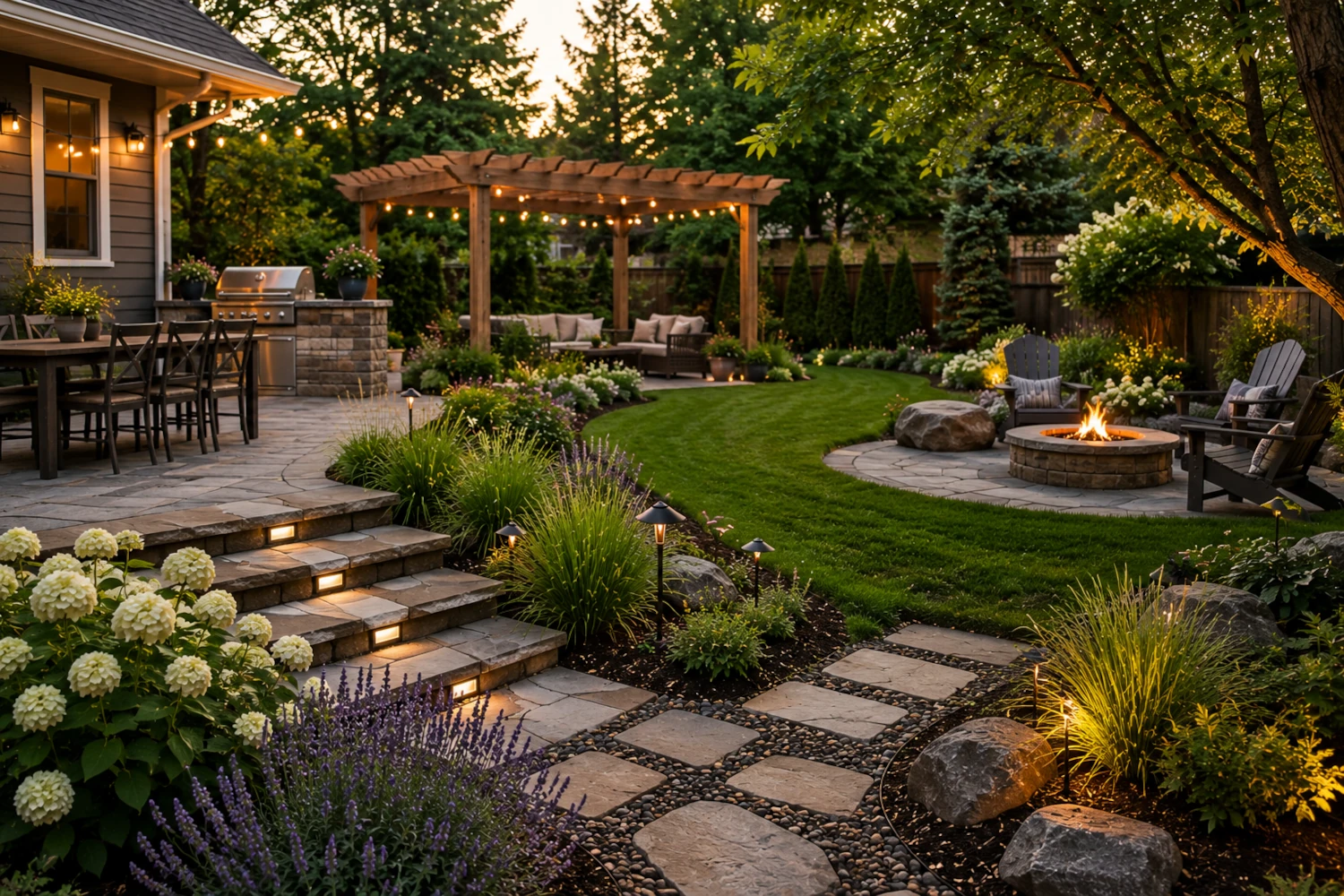
A major landscaping project can completely change how your property looks, feels, and functions. Whether you're planning a new patio, retaining wall, outdoor living area, drainage improvements, or a complete backyard transformation, preparation is an important part of achieving a successful result.
While your landscaping contractor will handle much of the heavy lifting, there are several things homeowners can do before construction begins.
At Prestige Landscape & Design, we help homeowners throughout DFW plan and complete outdoor transformations designed around their properties and lifestyles. Here are some important steps to take when preparing your yard for a major landscaping project.
1. Define What You Want to Change
Before construction begins, think carefully about what isn't working in your current outdoor space.
Maybe you need more room for entertaining. Perhaps poor drainage creates standing water after storms. You might want more privacy, less lawn maintenance, or a better connection between your home and backyard.
Clearly identifying these priorities helps create a landscape design that solves real problems instead of simply changing how the yard looks.
2. Think About How You'll Use the Space
A beautiful backyard should also fit your lifestyle.
Consider whether your finished space will primarily be used for:
- Family gatherings
- Outdoor cooking and dining
- Relaxing
- Kids or pets
- Gardening
- Entertaining friends
Knowing how you'll use the space helps determine which features deserve priority.
3. Establish a Realistic Budget
Major landscaping projects can include several different elements, so establishing a budget early is important.
Your budget helps determine the project's size, materials, features, and overall scope. It also allows your landscape designer to recommend where your investment can have the greatest impact.
A well-planned project can also be completed in phases when doing everything at once isn't practical.
4. Identify Drainage Problems Before Construction
Drainage should be addressed before installing expensive landscape features.
Pay attention to areas where water pools, soil washes away, or the lawn stays muddy after rainfall. Water flowing toward your foundation is another important warning sign.
Professional grading and drainage solutions can be incorporated into the overall project before patios, planting beds, sod, and other improvements are installed.
5. Decide What Should Stay
A landscape renovation doesn't necessarily mean removing everything.
Healthy mature trees, established plants, existing patios, or other features may be worth incorporating into the new design. Identifying what you want to preserve helps your landscape contractor develop the project around those elements.
6. Consider Access to the Work Area
Landscape construction often requires equipment, materials, and crews to reach the backyard.
Before work begins, your contractor may evaluate gates, fences, side yards, driveways, and other access points. Understanding these limitations ahead of time can prevent delays once construction starts.
7. Remove Personal Items
Before your scheduled start date, clear movable belongings from the construction area.
This may include patio furniture, grills, children's toys, garden decorations, planters, and other personal items.
Providing a clear work area helps crews operate efficiently while protecting your belongings from accidental damage.
8. Plan for Temporary Disruption
A significant landscape installation involves construction.
Depending on the project, homeowners should expect equipment, material deliveries, soil disturbance, and periods when portions of the yard aren't accessible.
Knowing this beforehand makes the process easier, especially for households with children or pets.
9. Consider the Entire Landscape
One common mistake is planning each improvement separately.
For example, installing a patio now without considering a future outdoor kitchen could create unnecessary work later. The same applies to irrigation, landscape lighting, drainage, walkways, and planting beds.
Even if you're completing your landscape in phases, having a comprehensive plan helps each stage support the next.
10. Ask Questions Before Installation Begins
Good communication is essential during any major landscaping project.
Before construction starts, make sure you understand the project's scope, materials, design, and general installation process. If something isn't clear, ask.
Working through questions early reduces misunderstandings and helps everyone begin with the same expectations.
Why Professional Planning Matters
The features you see when a landscaping project is finished are only part of what determines its success.
Proper base preparation, grading, drainage, material selection, irrigation planning, and installation methods all affect how well the landscape performs over time.
Professional planning can help prevent problems such as sinking patios, poor drainage, struggling plants, inefficient layouts, and costly changes later.
That's why working with an experienced DFW landscaping company can be especially valuable for larger projects involving multiple outdoor features.

Ready to start planning your outdoor transformation?Contact Prestige Landscape & Design today to discuss your project and discover what's possible for your property.
.svg)


