



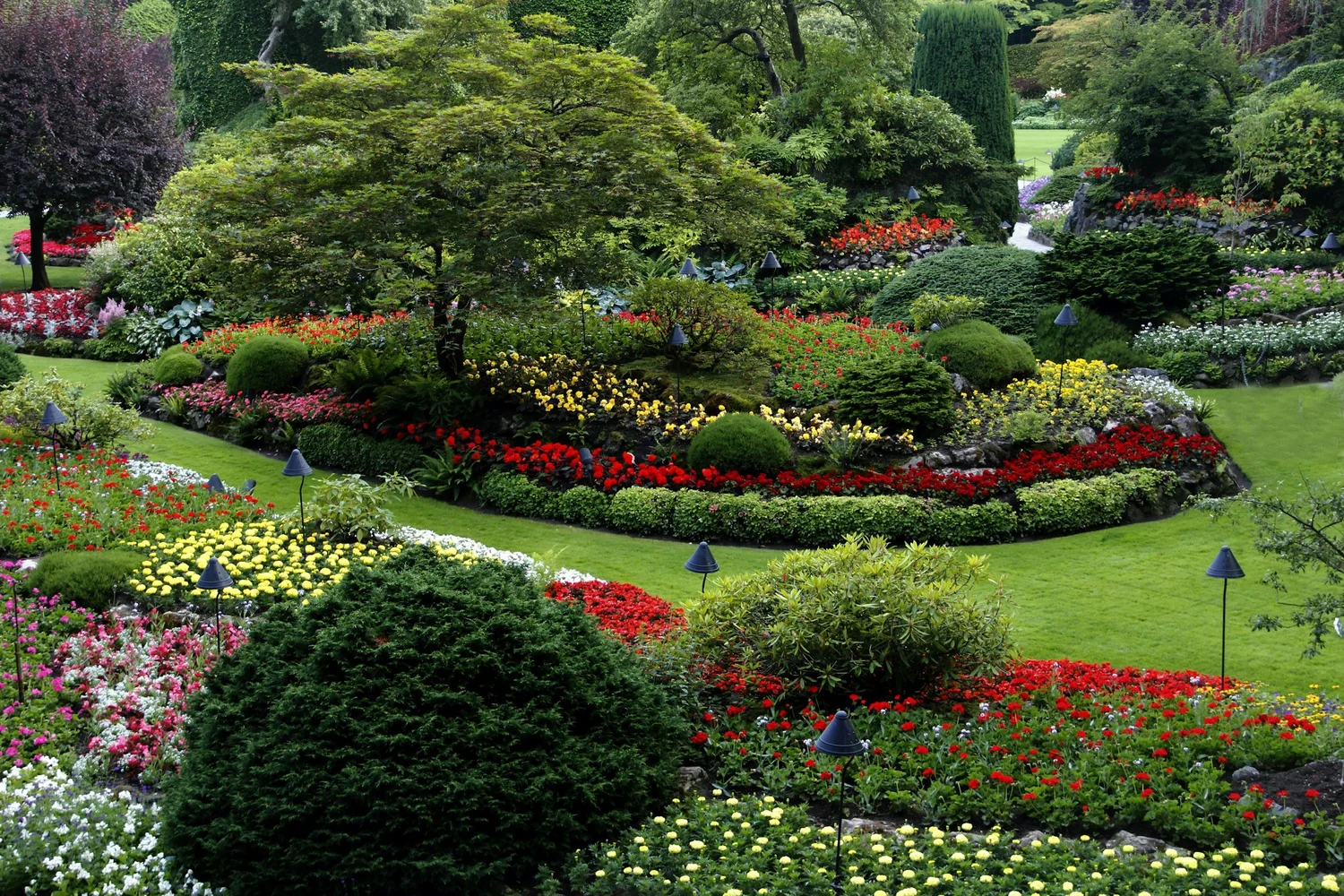
Creating a beautiful, long-lasting landscape in North Texas starts with one crucial decision—choosing the right plants. The DFW region’s hot summers, clay-heavy soil, and unpredictable rainfall make plant selection just as important as design.
At Prestige Landscape & Design, we specialize in Texas landscaping that balances color, texture, and climate adaptability. Whether you’re starting from scratch or refreshing your yard, selecting plants that thrive in local conditions ensures your outdoor space stays vibrant year-round.
Here’s how to choose the best plants for your North Texas landscape design.
1. Understand the North Texas Climate
The DFW area experiences hot, dry summers and mild winters, with frequent drought conditions. Plants that require constant watering or struggle in clay soil won’t last long here.
When designing for Texas landscaping, focus on species that are:
- Drought-tolerant
- Heat-resistant
- Adapted to clay or alkaline soil
- Native or well-acclimated to the region
Native plants not only survive but thrive in Texas weather, requiring less maintenance and fewer resources.
2. Choose Native Texas Plants for Longevity
Native plants are the cornerstone of sustainable landscaping. They’re already adapted to local rainfall patterns, temperature swings, and soil types—making them low-maintenance and long-lasting.
Here are some top-performing North Texas plants to consider:
Perennials & Flowers:
- Black-eyed Susan – Adds bright yellow blooms from spring through fall.
- Mexican Feather Grass – Adds movement and texture to garden beds.
- Autumn Sage (Salvia greggii) – Heat-tolerant, colorful, and attracts hummingbirds.
- Lantana – A classic Texas favorite for color and drought resistance.
Shrubs & Small Trees:
- Texas Sage (Cenizo) – A hardy, silver-leafed shrub that blooms after rain.
- Yaupon Holly – Ideal for borders and privacy with low water needs.
- Vitex (Chaste Tree) – A fast-growing ornamental tree with purple blooms.
Groundcovers:
- Asian Jasmine – Great for shaded areas and erosion control.
- Silver Ponyfoot – Excellent for hot, sunny spots.
These native Texas plants not only survive tough conditions but also support pollinators and local wildlife.
3. Focus on Water Efficiency
Water conservation is key to sustainable landscaping in DFW. Choosing plants that need minimal watering reduces waste, lowers bills, and ensures your yard stays resilient during droughts.
Tips for water-efficient planting:
- Group plants with similar water needs together.
- Use drip irrigation or smart irrigation systems for precise watering.
- Apply mulch to retain soil moisture and regulate temperature.
Prestige Landscape & Design often integrates irrigation and drainage systems with plant selections to maximize efficiency.
4. Add Seasonal Interest with Variety
Even drought-tolerant landscapes can be colorful and dynamic. The trick is to mix plant types that offer visual appeal across seasons:
- Spring: Texas Lantana, Coreopsis, and Salvia bring early color.
- Summer: Ornamental grasses and agave add structure and texture.
- Fall: Mexican Bush Sage and Gregg’s Mistflower keep color alive.
- Winter: Evergreen shrubs like Yaupon Holly maintain year-round greenery.
A balanced combination of textures—grasses, flowering perennials, and evergreens—creates depth and visual interest throughout the year.
5. Design with Sun and Shade in Mind
Before planting, observe how sunlight moves across your property. Many Texas plants thrive in full sun, but shaded areas require special consideration.
Full Sun Favorites:
- Lantana
- Texas Sage
- Red Yucca
Partial Shade Options:
- Turk’s Cap
- Cast Iron Plant
- Ferns and Asian Jasmine
Matching the right plant to the right light condition ensures strong, healthy growth.
6. Consider Maintenance Needs
One of the main reasons homeowners choose Prestige Landscape & Design is our ability to create landscapes that look stunning without constant upkeep.
To minimize maintenance:
- Choose slow-growing shrubs that require less pruning.
- Use native perennials that return every year.
- Avoid species that attract invasive pests or diseases.
Our team designs landscapes that are both low-maintenance and high-impact, so you spend more time enjoying your yard and less time maintaining it.
7. Work with a Professional Landscape Designer
Plant selection is just one part of the bigger picture. A professional landscape designer ensures that every element—plants, irrigation, lighting, and hardscapes—works together harmoniously.
At Prestige Landscape & Design, we use 2D and 3D renderings to help you visualize your space before planting begins. Each design is customized for your property, ensuring the right plants thrive in the right places.

Ready to transform your landscape?
Contact Prestige Landscape & Design today for a free consultation and personalized planting plan tailored to your home.
.svg)


